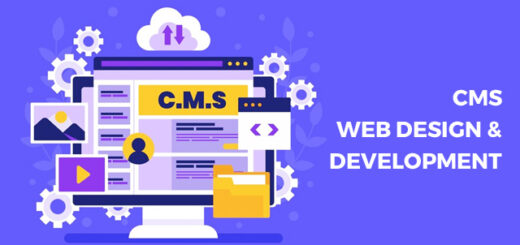
Custom CMS: Why Your Business Needs More Than WordPress
“Why not just use WordPress?”
That’s the question we often hear from clients at Kreative Web Tech when they first start planning a new website. And it’s a fair one. After all, WordPress powers over 40% of the web. It’s flexible, free, and user-friendly.
But as your business grows, the cracks begin to show. Security gaps, plugin chaos, slow load times, and limited customization can quietly kill your performance. That’s where a custom CMS comes in—and why it might be the smartest move you make this year.
In this blog, we’ll walk you through the story of businesses that outgrew WordPress, and why switching to a custom CMS transformed their performance, control, and scalability.
The WordPress Comfort Zone
Let’s be honest—WordPress is great. For blogs, small websites, and side hustles, it’s often the go-to choice. It’s easy to install, SEO-friendly by default, and supported by a giant community.
But here’s the catch: most business owners assume that what works for one website will scale across all. Spoiler: it doesn’t.
We once had a client—a fast-growing tech startup—who built their site on WordPress. It worked… until it didn’t. Their team spent more time maintaining plugins than growing their platform. Performance lagged. Updates broke the site. And customizing workflows? A nightmare.
The solution? A custom CMS tailored to their exact needs.
What is a Custom CMS?
A custom CMS (Content Management System) is a platform built specifically for your business. It’s coded with your content types, workflows, team roles, and future plans in mind.
There are no unnecessary plugins, bloated dashboards, or messy code that someone else dumped into your theme five years ago.
Whether it’s built in Laravel, Django, Node.js, or a framework like Strapi or Sanity, a custom CMS provides exactly what you need—and nothing more.
Think of a custom CMS like a tailored suit. WordPress is ready-to-wear, but a custom CMS fits your business like it was made for it (because it was).
Why Your Business Deserves a Custom CMS
Let’s break it down. Here’s why a custom CMS might be your game-changer in 2025:
1. Speed & Performance
Custom CMS platforms are lean. They don’t come with dozens of features you’ll never use. That means faster load times, lower bounce rates, and a better experience for users—and Google.
2. Security
WordPress is open-source and globally popular, which makes it a target. Many attacks come through vulnerable plugins or outdated themes. With a custom CMS, you reduce exposure by cutting out those dependencies entirely.
3. Full Control
You’re no longer at the mercy of plugin developers or theme updates. You control the roadmap. Want to add a custom content workflow, approval system, or API integration? You can.
4. Scalability
As your business evolves, your CMS should too. A custom CMS lets you build features specific to your sales cycle, customer journey, or internal teams. And it scales smoothly—without plugin patchwork.
5. Better Editorial Experience
You don’t need a cluttered dashboard with 80 tabs. A custom CMS can be designed for your content team—streamlined, clean, and intuitive.
The WordPress Plugin Trap
Let’s talk plugins. They’re the crown jewel of WordPress—and its Achilles’ heel.
You might start with 5 plugins. Then a developer adds 3 more. A security patch breaks one. A page builder conflicts with another. Before long, your site has 20+ plugins and performance drops like a stone.
We’ve worked with brands whose backend resembled a jungle—plugins conflicting with each other, outdated code, and redundant features. Cleaning it up cost more than rebuilding it.
With a custom CMS, all your features are native. No Frankenstein setups. No worrying whether your contact form will stop working after an update.
SEO, UX & Business Growth
A common misconception: WordPress is the best CMS for SEO. Yes, it’s SEO-friendly out of the box. But that doesn’t mean a custom CMS can’t outperform it.
Custom CMS platforms allow for:
- Semantic HTML structures
- Schema markup baked in
- Clean URLs
- Lightning-fast performance
- Custom sitemaps, meta logic, and 404 management
In fact, Google doesn’t care what CMS you use. It cares how fast, accessible, and relevant your content is. And that’s easier to control with a CMS you own and understand.
Add to that the ability to tightly align your content workflows with your sales funnel—and a custom CMS starts looking like a powerful growth engine.
Is It Time to Move Away from WordPress?
Let’s be real: if your site is simple, WordPress is probably fine. But if you’re hitting roadblocks like:
- Slow performance
- Plugin nightmares
- Security worries
- Lack of custom features
- Inflexible admin controls
Then it’s time to consider something better. A custom CMS is an investment in control, speed, and long-term agility.
The Kreative Web Tech Approach
At Kreative Web Tech, we’ve helped dozens of businesses transition from WordPress to custom CMS platforms.
We don’t just build systems—we architect growth. Our CMS solutions are crafted in Laravel, Node.js, or React (depending on your needs), with focus on:
- Custom dashboards
- Modular content blocks
- Headless CMS setups
- Seamless integrations with CRMs, ERPs, or marketing tools
Each build starts with understanding your content workflows, brand goals, and tech roadmap. Then we craft a CMS you actually want to use.
Your Website Should Work for You
Your website is your digital headquarters. If it’s slowing you down, limiting your creativity, or making your team frustrated—it’s time for change.
A custom CMS isn’t just a tech decision. It’s a business decision. One that helps you scale smarter, move faster, and control your digital destiny.